

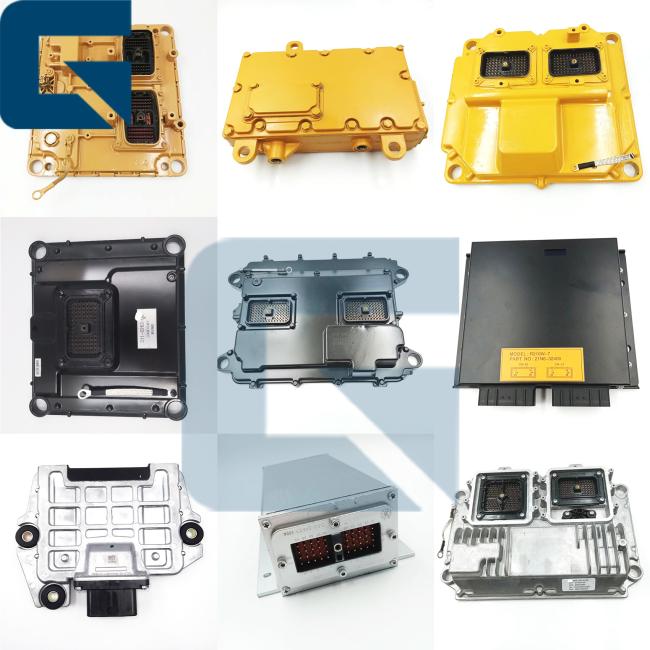
1J508-59051 Engine ECU Controller for Engine V3800 Control Unit
1J508-59051 Engine ECU Controller for Engine V3800 Control Unit Product Overview The 1J508-59051 Engine ECU Controller for Engine 3800 Control Unit delivers reliable performance with quick delivery options. This controller ensures optimal engine management and system control. Product Specifications Product Name Controller Part Number 1J508-59051 Brand Name JIAJUE Model V3800 Availability Rich Stock Delivery Time Usually delivered within 1-3 days after payment Approximate
The 1J508-59051 Engine ECU Controller for Engine 3800 Control Unit delivers reliable performance with quick delivery options. This controller ensures optimal engine management and system control.
| Product Name | Controller |
|---|---|
| Part Number | 1J508-59051 |
| Brand Name | JIAJUE |
| Model | V3800 |
| Availability | Rich Stock |
| Delivery Time | Usually delivered within 1-3 days after payment |
| Approximate Weight | 1KG |
| Size (per unit) | 20cm x 30cm x 8cm |
| Delivery Methods | DHL, FedEx, TNT, UPS |
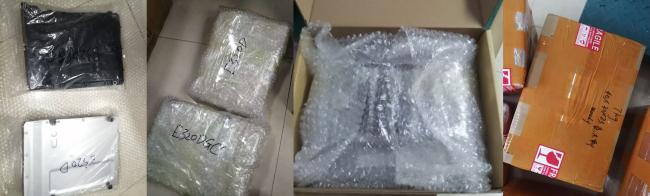
| Shipment | Dispatched within 24-48 hours |
| Payment Methods | TT, Western Union, Credit Card, PayPal |


- Physical Installation: 15-30 minutes. The unit is typically secured by 4 bolts on the cool side of the engine.
- Programming & Testing: 30-60 minutes.
- The ET diagnostic tool cannot communicate with the ECM, or it displays a "Module Not Responding" error. This is a critical sign of internal hardware failure.
- Active fault codes related to internal memory (EEPROM) or voltage reference issues that persist after checking the wiring harness often indicate ECM failure.
- Sudden engine stalling, severe power loss (Limp Mode), or persistent misfiring (missing injector driver signals) after sensors and harnesses have been ruled out.
- Visible signs of overheating (burning smell), water ingress, corrosion, or broken pins on the connector headers.
Our payment methods include T/T, L/C, PayPal, etc.
Rich stock available.
When the goods ship, we will share the tracking number. For sea or air freight, we can provide the bill of lading.
- 1. Prepare: Ensure the excavator is turned off and safely secured. Disconnect the battery to avoid electrical accidents.
- 2. Inspect: Check the ECU for physical damage or loose connections.
- 3. Connect Diagnostic Tool: Use a diagnostic tool recommended by the excavator's manufacturer. Connect it to the ECU according to the tool's instructions.
- 4. Read Codes: Use the diagnostic tool to read any error codes (DTCs) stored in the ECU. These codes indicate potential problems with the ECU or connected systems.
- 5. Check Live Data: View live data parameters such as sensor readings and system voltages. Ensure they are within normal ranges.
- 6. Functional Tests: If possible, perform tests to activate components or simulate sensor inputs. Verify that the ECU responds correctly without delays or errors.
- 7. Reset (if needed): Reset the ECU if recommended by the manufacturer, especially after repairs or replacements.
- 8. Document: Keep a record of all tests, codes, and results for future reference.





Recommended Products
